Illustrations play a central role in children’s books. For young readers, visuals are often just as important as the words on the page, sometimes even more. Before children learn to read fluently, they rely on images to understand stories, follow characters, and stay engaged. This is why high-quality illustration services are essential in children’s publishing.
Studies in early childhood education show that children remember stories better when text is paired with strong visuals. Illustrations help improve comprehension, stimulate imagination, and make reading more enjoyable. According to educational research, children can retain up to 60 percent more information when learning materials include relevant images alongside text. This makes book illustration services a key investment for authors and publishers working in this space.
Whether it is a picture book, early reader, or middle-grade story, the right illustration style can shape how a child experiences the entire book. Choosing the correct visual approach is not just about making pages look attractive, but about supporting learning, emotion, and storytelling in meaningful ways.
Why Illustrations Matter in Children’s Books
Illustrations support storytelling by visually representing emotions, actions, and settings that words alone cannot fully describe. A single image can show fear, excitement, curiosity, or humor in a way that feels immediate and natural to a child.
For early readers, illustrations provide context for new words and ideas. When a child sees a picture of a character running, smiling, or crying, they begin to associate meaning with the text. This strengthens vocabulary and reading confidence.
Bright and expressive visuals also build emotional connections. Children remember characters more easily when they can see their faces, clothing, and environments. This helps stories stay in memory longer and encourages repeated reading.
In addition, illustrations enhance imagination. They invite children into new worlds, spark curiosity, and encourage creative thinking. Strong children’s book illustration services focus on creating visuals that support both learning and emotional development, not just decoration.
Popular Types of Illustrations
Hand-Drawn Illustrations
Hand-drawn illustrations use traditional methods such as pencil, ink, watercolor, or mixed media. These styles are often warm, organic, and full of artistic personality. They work especially well for classic, whimsical, or timeless stories.
The main advantage of hand-drawn art is its unique character. Every illustration feels personal and expressive. This style creates emotional depth and artistic charm.
However, hand-drawn illustrations are more time-consuming and less flexible for edits. Changes require redrawing rather than simple digital adjustments, which can slow production.
Digital Illustrations
Digital illustrations are created using tools like Adobe Illustrator, Photoshop, or Procreate. This is one of the most common styles used in modern children’s book illustration services.
Digital art is vibrant, consistent, and easy to edit. It allows illustrators to maintain uniform character design across pages and make adjustments quickly. It is also scalable, meaning it works well for print and digital formats.
This style suits modern picture books, educational series, and commercial publishing projects where consistency and efficiency matter.
Cartoon or Comic Style
Cartoon-style illustrations use exaggerated features, bold outlines, and playful expressions. This style works especially well for humorous stories, adventure themes, and younger audiences.
Children connect easily with cartoon characters because they are expressive and fun. These illustrations often feel lively and energetic, making them ideal for action-driven stories or playful narratives.
This style also allows for strong visual storytelling, where emotions and actions are instantly clear without heavy text.
Realistic or Semi-Realistic Illustrations
Realistic illustrations aim to represent characters, animals, and environments in a detailed and lifelike way. Semi-realistic styles blend realism with artistic simplification.
These styles are commonly used in educational books, non-fiction children’s stories, and historical topics. They help children connect with real-world concepts, nature, science, and social learning.
The benefit of realism is clarity and accuracy. The downside is that it may feel less playful for very young readers who prefer simpler visuals.
Minimalist Illustrations
Minimalist illustrations use simple shapes, limited color palettes, and clean lines. This style works best for toddlers and very young readers.
These visuals reduce distractions and help children focus on core ideas. Minimalism is effective for early learning concepts such as shapes, colors, numbers, and basic emotions.
The simplicity makes the story easier to process and visually calming.
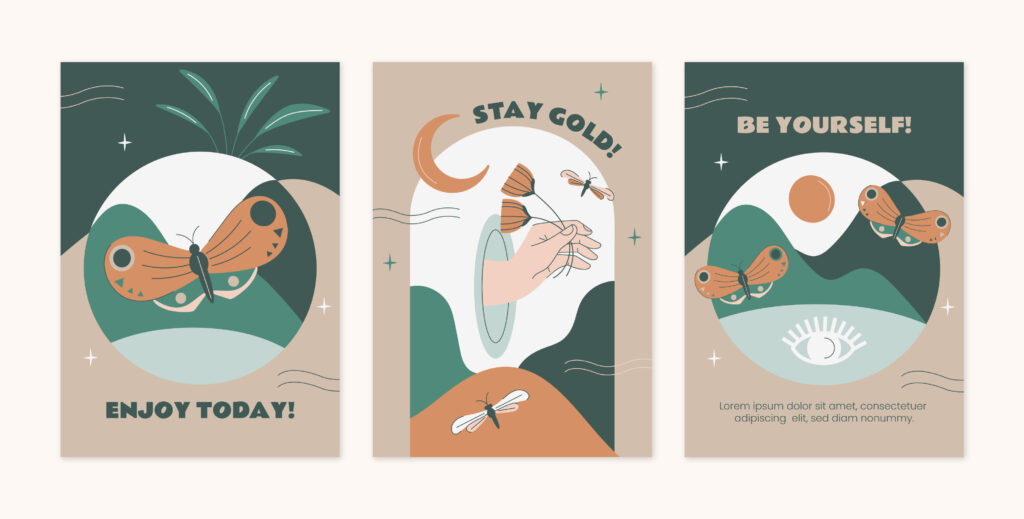
Mixed Media and Collage
Mixed media combines textures, photographs, paper cutouts, and digital effects. This creates a layered and artistic look that feels creative and experimental.
This style is eye-catching and works well for unique storytelling approaches. It adds visual depth and keeps readers curious about what comes next.
Mixed media is ideal for authors who want something visually different from standard illustration styles.
Matching Illustration Styles to Age Groups
Choosing the right illustration style depends heavily on the target age group.
Toddlers aged 0 to 3 respond best to bold colors, simple shapes, and minimal text. Visual clarity matters more than detail at this stage.
Preschoolers aged 3 to 5 enjoy expressive characters, playful scenes, and clear visuals. They like seeing emotions and actions clearly.
Early readers aged 5 to 7 benefit from more detailed illustrations with consistent characters. Visual continuity helps them follow stories independently.`
Middle-grade readers aged 8 to 12 prefer semi-realistic or stylized illustrations. These readers rely more on text but still enjoy visuals that support imagination and mood.
Understanding age-based preferences is essential when selecting custom illustration services.
Color Psychology and Visual Appeal
Color plays a powerful role in children’s storytelling.
Bright colors excite and energize young readers. They create attention and emotional impact. Soft or pastel colors calm and soothe, making them suitable for bedtime stories.
Contrasting colors help highlight key characters or important objects. This directs attention and improves comprehension.
Color choice influences mood. Warm tones create comfort and happiness. Cool tones suggest calm, mystery, or sadness. Effective illustration services use color intentionally to guide emotional response.
Character Design and Expression
Memorable characters are the heart of children’s books. Visual consistency helps children recognize characters easily across pages.
Facial expressions and body language convey emotions more effectively than text alone. A raised eyebrow, a slumped posture, or a wide smile tells a story instantly.
Inclusivity and diversity in character design also matter. Children connect more deeply when they see themselves represented in stories. This builds relatability, empathy, and cultural awareness.
Strong character design improves emotional connection and storytelling impact.

Integrating Illustrations with Text
Illustrations should work with the text, not compete with it. A good balance between visuals and words creates a smooth reading experience.
Full-page spreads are great for major story moments. Spot illustrations work well for small actions or emotional cues. Chapter headers and decorative elements improve flow.
The goal is to enhance understanding and engagement without overwhelming the reader.
Professional book illustration services focus on layout, spacing, and pacing so visuals feel natural within the story structure.
Choosing the Right Illustrator
Authors can choose between freelance artists and professional agencies. Freelancers offer flexibility and personal collaboration. Agencies provide structure, project management, and consistency.
The most important factor is matching the illustrator’s style with the book’s tone and audience. A mismatch can weaken the entire project.
Clear communication and feedback are essential. Collaboration ensures consistent characters, scenes, and visual flow throughout the book.
This is where experienced children’s book illustration services add real value.
Emerging Trends in Children’s Book Illustrations
Digital and animated illustrations are becoming popular for ebooks and interactive content. Some books now include motion elements and sound.
Augmented reality features allow children to interact with illustrations through mobile devices.
There is also growing focus on inclusivity, cultural diversity, and representation.
Eco-friendly printing and textured materials are being explored to create more sensory reading experiences.
These trends show how illustration continues to evolve with technology and social values.
Tips for Authors and Publishers
Always understand your target age group before choosing illustration styles.
Define the visual direction early to avoid revisions later.
Balance budget with quality. Strong visuals increase book value and reader interest.
Test illustrations with children or small focus groups for honest feedback.
Good custom illustration services should support both creative and practical goals.
Case Study
A first-time author created a picture book for preschoolers about emotional awareness. Initially, the illustrations were highly detailed and semi-realistic. During testing, children found the visuals confusing and overwhelming.
The author switched to a simpler, cartoon style with bold colors and expressive faces. After the redesign, children engaged more with the story, recognized emotions faster, and requested repeat readings.
This case shows how choosing the right illustration style directly affects learning, engagement, and story success.
Conclusion
Choosing the right illustration style is one of the most important decisions in children’s publishing. Illustrations are not just decoration, they are a core part of storytelling.
Age-appropriate design, thoughtful color use, expressive characters, and clear visual integration all shape how children experience stories.
High-quality illustration services help transform ideas into meaningful reading experiences. The right visuals make stories engaging, memorable, and educational, giving young readers a stronger connection to books and learning.