Social media platforms change constantly. One algorithm update can cut your visibility overnight, making it difficult for authors to maintain consistent communication with readers. Email marketing solves this problem by giving writers direct access to their audience without relying on third party platforms. Unlike social media followers, an email list is an audience you own and control.
Many authors either ignore email marketing or use it incorrectly. Some only send emails during book launches, while others overwhelm subscribers with constant promotions. Both approaches hurt engagement and reduce trust. A successful email strategy focuses on building relationships first and sales second.
Email marketing continues to deliver one of the highest returns on investment for authors and publishers. A well managed email list can help increase book sales, improve reader loyalty, and strengthen long term brand authority. Many professional book marketing services recommend email marketing as a core strategy because it creates sustainable audience growth over time.
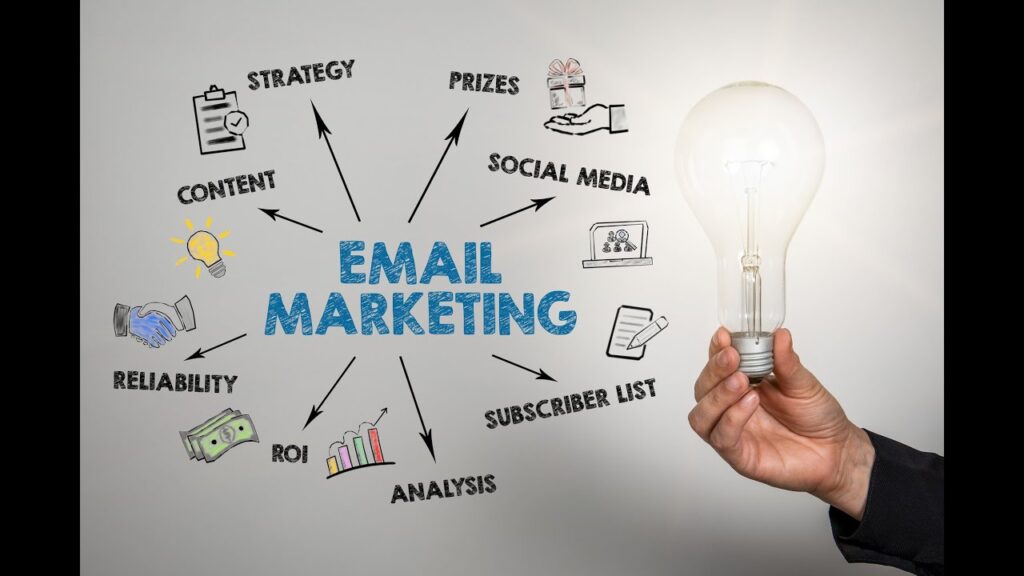
What Is Email Marketing for Authors?
Email marketing for authors is the process of communicating directly with readers through email campaigns, newsletters, and automated sequences. Instead of depending entirely on social platforms, authors use email to share updates, promote books, and build stronger reader relationships.
The biggest advantage is ownership. Social media audiences belong to the platform, but your email list belongs to you. That level of control allows authors to maintain consistent communication regardless of changing trends or algorithms.
Why Email Marketing Is Essential for Authors
Email marketing gives authors complete control over how and when they reach readers. Open rates and engagement levels are often much higher than social media interactions because subscribers have already shown interest in your work.
For book launches, email can significantly increase visibility and early sales momentum. Readers who join your list are more likely to buy future books, leave reviews, and recommend your work to others. Consistent communication also helps establish trust, which is a critical part of author credibility and E.E.A.T optimization.
Professional marketing services for publishers often prioritize email campaigns because they support long term audience retention. Instead of chasing temporary attention, authors can focus on building a reliable community of engaged readers.
How to Build an Email List from Scratch
Starting an email list does not require advanced technical skills. Begin with a simple landing page that clearly explains why readers should subscribe. Keep the message direct and focused on value.
A lead magnet is one of the most effective ways to encourage signups. Authors commonly offer a free chapter, exclusive short story, or bonus content related to their books. Readers are far more likely to subscribe when they receive something useful immediately.
Your website and blog should include visible signup forms. Add them to your homepage, blog posts, and author bio sections. Promote your email list regularly on social media platforms and encourage followers to subscribe for exclusive updates.
The signup process should remain simple. Asking for only a first name and email address reduces friction and increases conversion rates.
Choosing the Right Email Platform
The best email platform for authors is one that is easy to use and scalable. Many beginners choose tools with automation features, analytics dashboards, and customizable templates.
Automation is especially valuable because it allows authors to welcome subscribers instantly and nurture reader relationships without manual effort. Analytics help track open rates, click rates, and subscriber engagement so you can improve performance over time.
It is better to start with a simple platform and scale later rather than choosing overly complex software at the beginning. Usability matters more than advanced features when building consistency.
Create a Strong Author Newsletter Strategy
A successful newsletter strategy starts with defining your content style. Some authors focus on writing updates, while others share educational insights, behind the scenes stories, or personal experiences connected to their creative process.
Consistency is essential. Readers should know what type of content to expect and how often they will hear from you. Whether you send emails weekly or monthly, maintaining a consistent voice strengthens reader familiarity and trust.
Many successful authors combine personal storytelling with value based content. This approach makes emails feel more authentic and less promotional.
Types of Emails Authors Should Send
Welcome emails create the first impression for new subscribers. These emails should introduce your brand, deliver the promised lead magnet, and encourage readers to stay engaged.
Value driven emails help strengthen relationships with readers. Authors can share writing insights, storytelling tips, or exclusive updates that make subscribers feel connected.
Promotional emails are important during book launches and special offers, but they should not dominate your strategy. Balance promotional content with engaging and helpful communication.
Engagement emails can include reader questions, polls, or requests for feedback. These interactions encourage participation and make subscribers feel valued.
Write Emails That Readers Actually Open and Read
Strong subject lines play a major role in email performance. Clear and curiosity driven headlines often generate higher open rates than overly promotional language.
The body of your email should remain conversational and easy to read. Avoid long blocks of text or aggressive sales messaging. Readers respond better to authentic communication that feels personal and relatable.
Whenever possible, personalize emails using subscriber names or segmented audience interests. Even small personalization efforts can improve engagement significantly.
Many authors searching for book marketing firms near me are often surprised to learn that effective email campaigns outperform many expensive advertising methods when done correctly.
Email Marketing for Book Launches
Email marketing is one of the most effective tools for book launches because it builds anticipation before release day. Countdown emails, sneak previews, and exclusive bonuses help generate excitement among subscribers.
Offering incentives such as bonus chapters, signed copies, or early access can encourage immediate purchases and reader participation. Early reviews are especially important because they improve credibility and visibility on online marketplaces.
Experienced book marketing services frequently integrate email sequences into launch campaigns because they create direct and measurable reader engagement.
Automation and Long Term Growth
Automation helps authors save time while maintaining consistent communication. Welcome sequences, follow up emails, and reader journey mapping allow subscribers to receive relevant content automatically.
To grow consistently, authors should include calls to action across blogs, websites, podcasts, and social media content. Collaborations with other writers can also introduce your work to new audiences.
One of the biggest mistakes authors make is inconsistency. Others focus too heavily on promotions and ignore reader engagement entirely. Successful email marketing depends on providing value, maintaining trust, and tracking performance regularly.
For authors who want sustainable growth, email marketing remains one of the most reliable and profitable strategies available today.
Grow Your Email List Consistently
Building an email list requires ongoing effort and consistent visibility. One of the most effective ways to grow steadily is by adding clear calls to action across all your content. Whether you publish blog articles, videos, podcasts, or social media posts, readers should always have an easy opportunity to subscribe to your email list.
Collaborating with other authors can also help expand your audience reach. Cross promotions, newsletter swaps, interviews, and joint giveaways expose your work to readers who are already interested in similar genres or topics. These collaborations often bring highly engaged subscribers who are more likely to remain active on your list.
Content marketing is another valuable strategy for sustainable growth. SEO optimized blog content helps authors attract readers through search engines, increasing discoverability over time. Helpful articles, writing advice, and behind the scenes content can naturally guide visitors toward your signup page.
Repurposing content across multiple channels improves efficiency and visibility. A blog post can easily become an email newsletter, social media caption, podcast topic, or short form video. This approach strengthens your online presence while maintaining consistent messaging.
Common Email Marketing Mistakes Authors Make
One of the biggest mistakes authors make is failing to send emails consistently. Long periods without communication often reduce reader engagement and make subscribers less likely to open future emails.
Another common issue is focusing too heavily on promotions. Readers want more than constant sales messages. Emails that provide value, entertainment, or insight tend to perform much better and help strengthen audience trust.
Ignoring reader engagement can also limit growth. Email marketing works best when authors encourage interaction through replies, questions, and feedback. Building conversations creates stronger relationships with subscribers.
Complicated signup forms are another barrier. Asking for too much information during registration often discourages potential subscribers from joining your list.
Many authors also fail to track performance data. Without analytics, it becomes difficult to understand which emails perform well and which strategies need improvement.
Measure and Improve Your Email Strategy
Tracking performance metrics allows authors to improve their email strategy over time. Open rates help measure the effectiveness of subject lines, while click through rates reveal how readers interact with links and content.
Subscriber growth is another important indicator because it reflects how successfully your audience is expanding. Reviewing these insights regularly can help refine your content style, timing, and communication approach.
A strong example comes from independent authors who use automated welcome sequences paired with free downloadable content. Many have seen noticeable increases in reader engagement and book sales simply by maintaining consistent communication and delivering ongoing value to subscribers.
Quick Action Plan for Authors
- Start by selecting an email platform that is simple and easy to manage. Create a lead magnet that gives readers a strong reason to subscribe, such as a free chapter, bonus story, or exclusive resource.
- Build a clean signup page and promote it across your website, blog, and social media platforms. Once subscribers join your list, send a welcome email that introduces your work and provides immediate value.
- Establish a realistic email schedule and remain consistent with your communication. Over time, monitor your analytics and continue improving your strategy based on reader behavior and engagement patterns
Conclusion
Email marketing remains one of the most valuable long term tools available to authors. Unlike social media platforms that constantly change, an email list provides direct and reliable access to your audience.
The most successful email strategies focus on relationship building rather than constant promotion. Readers are far more likely to stay engaged when they receive useful, authentic, and meaningful communication.
Authors do not need a massive audience or advanced systems to succeed with email marketing. Starting small, staying consistent, and improving gradually can lead to strong long term growth and deeper reader loyalty.
FAQs
How often should authors send emails?
Most authors do best with a consistent schedule rather than a high frequency. Sending emails once a week or every two weeks is usually enough to stay present in readers’ minds without overwhelming them. The key is predictability, so subscribers know when to expect your emails and build a habit of opening them.
What should I include in my newsletter?
A strong newsletter blends value and personality. You can include writing updates, behind the scenes insights, short stories or excerpts, and occasional book promotions. The most effective newsletters feel like a conversation rather than an advertisement, helping readers stay connected to your work and creative journey.
Do I need a large email list to succeed?
No, size is not the most important factor. A smaller, highly engaged list can generate more consistent book sales and reader interaction than a large but inactive one. What matters most is trust, relevance, and how well you nurture your audience over time.
Is email better than social media?
Email and social media serve different purposes, but email generally provides better control and higher conversion rates. Social media helps with discovery, while email helps with long term relationships and direct communication with readers. Authors who use both together usually see the strongest results.
How do I get my first 100 subscribers?
Start by offering something valuable that readers actually want, such as a free chapter, bonus short story, or exclusive content. Promote it on your website, blog, and all social platforms. You can also ask friends, early readers, and writing communities to join. Consistency in promotion is more important than scale at the beginning.